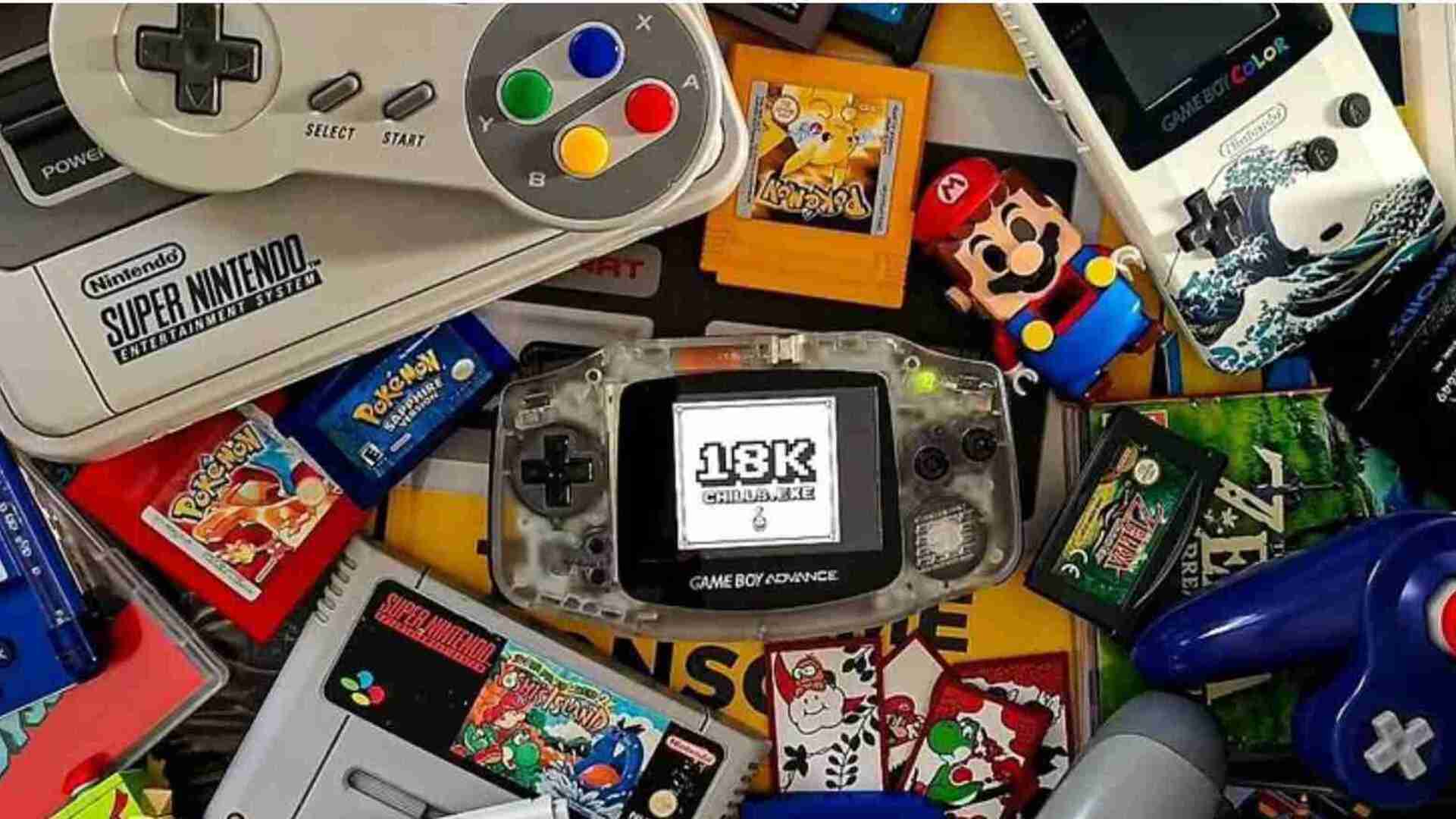
In a fast-paced world dominated by instant digital gratification, the ability to slow down and think critically has become a vital life skill. Engaging in tabletop entertainment offers more than just social bonding; it provides a structured environment that exercises our cognitive abilities. By challenging players to anticipate opponent moves, manage scarce resources, and adapt to changing conditions, certain table games serve as excellent toolkits for developing real-world analytical skills.
The Mathematical Strategy of Table Classic Games
Popular card and dice games have long been recognized for their ability to sharpen quantitative reasoning. Players must constantly calculate risk and probability under pressure to secure a winning position. For those interested in testing their analytical foresight in a dynamic digital setting, accessing a reliable platform like m88 mansion indo can offer a variety of classic games that challenge your tactical decision-making. Developing these skills helps individuals assess complex situations more logically in their professional lives.
Understanding statistical variance is another crucial outcome of consistent strategic play. Rather than relying purely on luck, successful players learn to minimize the house advantage through disciplined, mathematically optimal choices. This analytical approach directly translates to better financial discipline and risk management outside of the gaming arena.
How Cooperative Board Games Enhance Collaboration
Modern tabletop designs have shifted heavily toward cooperative mechanics, where players must work together to defeat the game itself. These scenarios require participants to share information transparently, delegate tasks based on individual strengths, and negotiate collective strategies. This dynamic mirrors modern workplace project management, where team-based problem-solving is essential for success.
When players face high-stakes challenges as a group, they learn how to handle failure constructively. Analyzing why a specific joint strategy failed allows teams to recalibrate their approach without personal conflict. This collaborative resilience is highly valuable for foster creative thinking and cooperative problem-solving.
Spatial Reasoning and Tactical Adaptability
Games that involve physical tile placement or complex board layouts require players to visualize spatial relationships and long-term consequences. Every move alters the landscape of the board, forcing competitors to constantly revise their plans. This exercise strengthens mental flexibility and helps individuals remain calm when unexpected obstacles arise.
By cultivating the habit of looking several moves ahead, players build a strong proactive mindset. Instead of simply reacting to problems as they appear, they learn to establish preventative measures and alternative pathways to success. Ultimately, regular engagement with these structured challenges turns players into highly adaptable and confident strategists.